One year with the Sony Alpha 6400
One year, three countries, a few thousand photos with the Sony Alpha 6400. What it does well, what gets on your nerves, and whether I'd buy it again today.
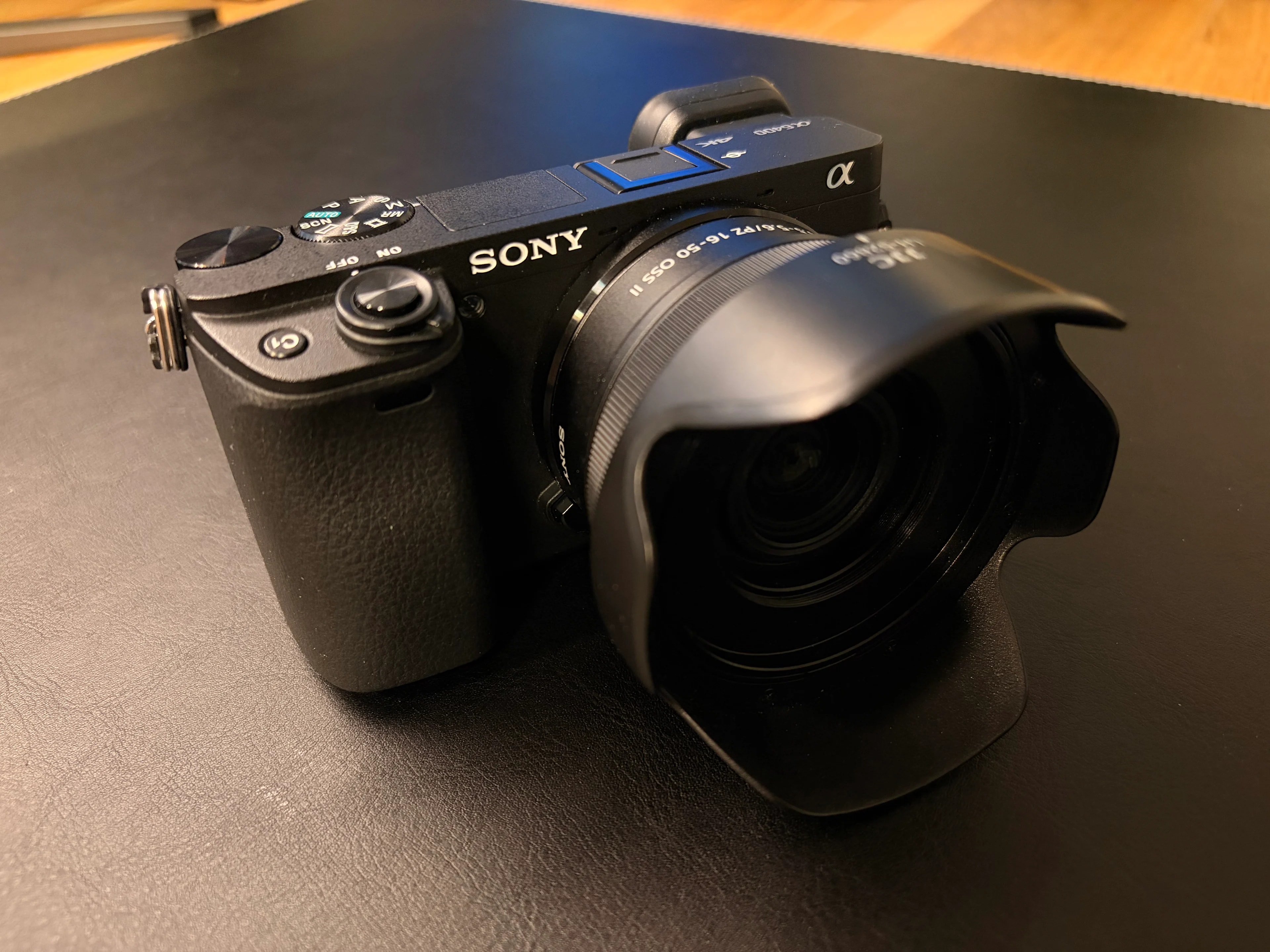
The first camera
The Alpha 6400 was my first camera. I badly wanted to get into photography but had no idea what I actually needed, so I spent weeks comparing offers, reading reviews, and letting every second video talk me out of my last decision. In the end, value for money settled it: 800 euros for the body with the kit lens, the E PZ 16–50 mm f/3.5–5.6 OSS, 24–75 mm in full-frame terms. Soon after, I added the E 55–210 mm f/4.5–6.3 OSS, 82.5–315 mm equivalent, to get to know the telephoto range.
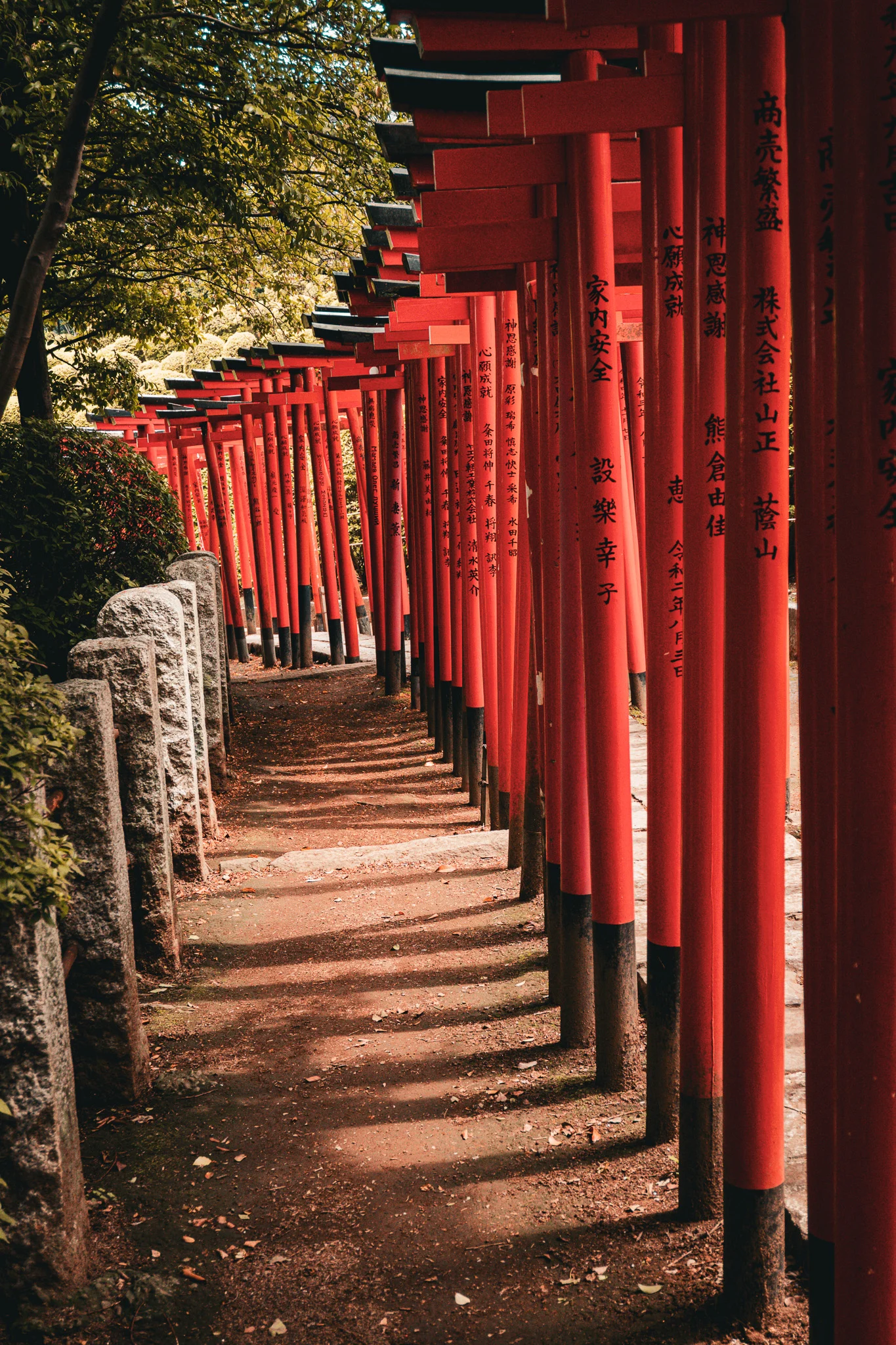
Since then the camera has been to Tokyo, to Crete, and, more often than anywhere else, around home in Germany. Landscapes, cities, family, a few attempts at animals. After a year I'm no professional, but I now know what matters to me in a camera and what doesn't. That's what this text is about.
What it does well
The images. What comes out of this camera is, to my eyes and with my limited experience, very good. Colour, sharpness, dynamic range in good light: not once this year did I wonder whether a photo failed because of the camera. When something failed, it was me.
The price. 800 euros including a lens you can walk out of the door with. I don't know another combination that makes the start hurt so little and still gets you this far.
The size, on the road. With the 16–50 it fits into a small sling bag and spent a whole day in Tokyo with me without being the thing I cursed in the evening. That sounds trivial, but it decides whether the camera is with you when the picture happens.
What gets on your nerves
The battery. It drains fast, much faster than I expected. With a second battery in the bag I was always fine, and that's exactly what I'd tell anyone buying this camera: order the second battery with it, not after the first day it died at four in the afternoon.
The screen tilts, but it doesn't swivel. Up and down, that's it. For most shots that's enough. It gets difficult as soon as the camera is very close to the ground and I want to shoot in portrait orientation: the screen then faces sideways, shows nothing useful, and the only way to see anything is to lie flat on the ground. A fully articulating screen has been at the top of my list ever since.
No in-body stabilisation. Both lenses have optical stabilisation, which catches a lot in everyday use. But as soon as light gets scarce you notice the difference: shutter speeds that a stabilised body could still handle handheld come out blurred. Blue hour in the city, interiors, evening light on the beach: either push the ISO or get the tripod out. And the tripod is exactly what you don't have with you when you need it.
24 megapixels are enough, but not generous. For prints, this website and Instagram it's plenty. What doesn't work is cropping heavily afterwards. If you don't take the trouble to frame properly on location, you won't rescue it at home. For me that turned out to be a good school: the camera forces you to think before you press the shutter.
Animals, an honest word
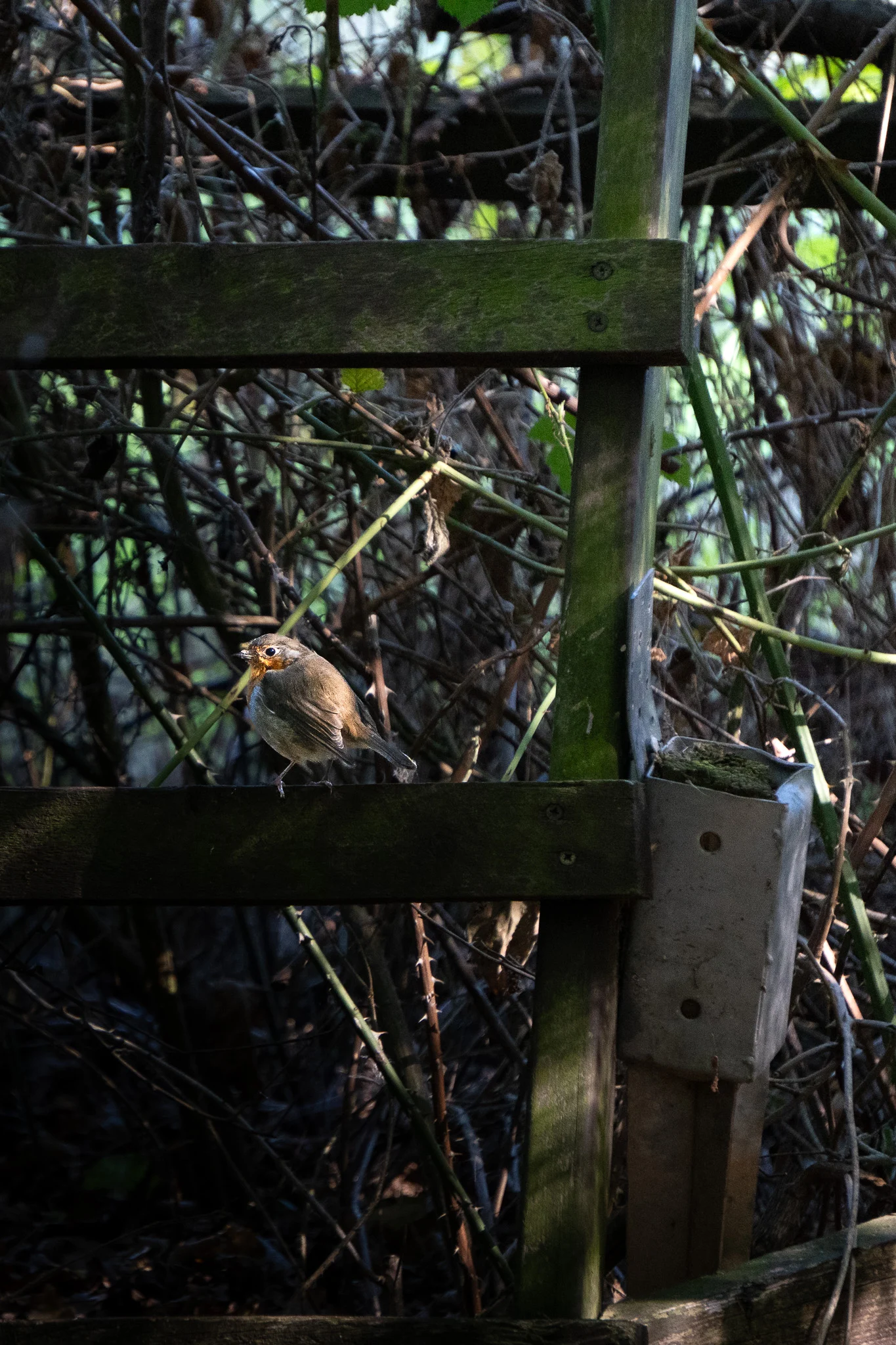
Large, slow animals: no problem. Small, fast ones: not good, and I want to be clear that this is down to the lenses, not the camera. The autofocus would be fast enough; what's missing is reach and aperture. The 55–210 is fine as an entry into telephoto, but anyone who wants to photograph birds needs a different lens than I own, and probably more patience than I have.
What I've learned
The most important thing the Alpha 6400 taught me has nothing to do with its strengths. It has to do with what I miss. Only after a year with a camera in your hand do you know what you personally care about. For me, that's now fairly clear:
Video doesn't matter to me at all. I want to take photographs, nothing else. A large part of what the Alpha 6400 gets praised for plays no role for me.
The camera has to sit well in the hand. The Alpha 6400 is a little too small for me. You don't notice that on the first day, but on every day after.
The viewfinder. I prefer shooting through the viewfinder rather than off the screen, and the Alpha 6400's viewfinder is too small for me. The screen should still be large enough to check the images and adjust the settings. Those two things together matter more to me than any number on a spec sheet.
Physical dials. I like setting shutter speed, aperture and ISO on real dials without going through a menu. Photography has to be fun, and for me a large part of the fun is the handling.
Would I buy it again today?
As a first camera: yes, without hesitation. For 800 euros including a lens you get a camera you can learn everything on that you need to learn at the start, and that delivers pictures you're happy to show. I'd buy the 55–210 again too, not because it's the best telephoto lens, but because it tells you whether you like the telephoto range at all.
Because that's what a first camera is for: finding out what bothers you, what you miss, and what you'd like to have. After that you can invest in a camera that meets those criteria. For me, that's handling and the viewfinder. Which is why my next camera will be a Fujifilm X-T6, because the fun factor with it is, for me personally, a good deal higher. But that's a story for another article.